How do you group learners? What opportunities do you provide learners to meet them where they are at in their acquisition of knowledge? When do learners have the option to choose what and how they learn certain material? The concept of Differentiated Instruction (DI) has emerged as a powerful approach to meet the diverse needs of learners. Every student possesses unique strengths, weaknesses, learning styles, and preferences. Thus, a one-size-fits-all teaching method may not effectively engage all students or facilitate optimal learning outcomes. This is where differentiated instruction comes into play, offering a framework that allows educators to tailor their teaching strategies to accommodate individual differences within the learning environment.
The Power of Differentiated Instruction
In this post, we'll take a look at:
Understanding Differentiated Instruction
Differentiated Instruction refers to the process of proactively modifying teaching methods, materials, and assessments to cater to the varied needs and learning preferences of learners. Rather than adopting a uniform approach, educators recognize and embrace the diversity present in their learning environments, ensuring that each learner receives instruction at their appropriate level and pace through a culturally and inclusively-based curriculum.
Key Principles of Differentiated Instruction
Assessment of Student Readiness, Interest, and Learning Profile:
How well do you know your learners? At the beginning of the year, how do you get to know your learners? Do you give multiple intelligence (MI) assessments? Interest Inventories? Questionnaires? Before implementing differentiated instruction, it’s essential for educators to assess students’ readiness levels, interests, and learning profiles. This can be achieved through formal assessments, informal observations, discussions, and student surveys. By understanding students’ strengths, weaknesses, preferences, and prior knowledge, teachers can tailor their instructional strategies more effectively (Tomlinson & Allan, 2000).
Varied Grouping:
Differentiated instruction often involves grouping learners based on their readiness levels, interests, or learning styles. Varied grouping allows educators to create diverse learning environments where learners can collaborate, receive targeted instruction, and support one another’s learning. Wormeli (2007) posits that educators should ask themselves these questions when considering grouping: “Is this the only way to organize students for learning? Where is the lesson could I create opportunities for students to work in small groups? Would this part of the lesson be more effective as an independent activity? Why do I have the whole class involved in the same activity at this point in the lesson? Will I be able to meet the needs of all students with this grouping? I’ve been using a lot of [insert type of grouping here- whole class, small group or independent] work lately. Which type of grouping should I add to the mix?”(p. 75). Dynamic grouping strategies include a variety of forms including whole group, teams, partners, individual, and mentoring or pull out (Tomlinson, 1999). Let us also not forget all the cooperative learning activities of Dr. Spencer Kagan, either! Implement varied grouping strategies to create diverse learning environments where learners can collaborate, receive targeted instruction, and support one another’s learning.
Multimodal Instructional Strategies:
To accommodate diverse learners, educators employ a wide range of instructional strategies, including lectures, discussions, hands-on activities, multimedia presentations, cooperative learning, and inquiry-based learning. By incorporating multiple modalities and approaches, educators can cater to the diverse needs and preferences of their students, enhancing engagement and comprehension (Hall et al., 2004). This is where further understanding of Multimodal Instructional Methods is key to success.
Adjustment of Content, Process, and Product:
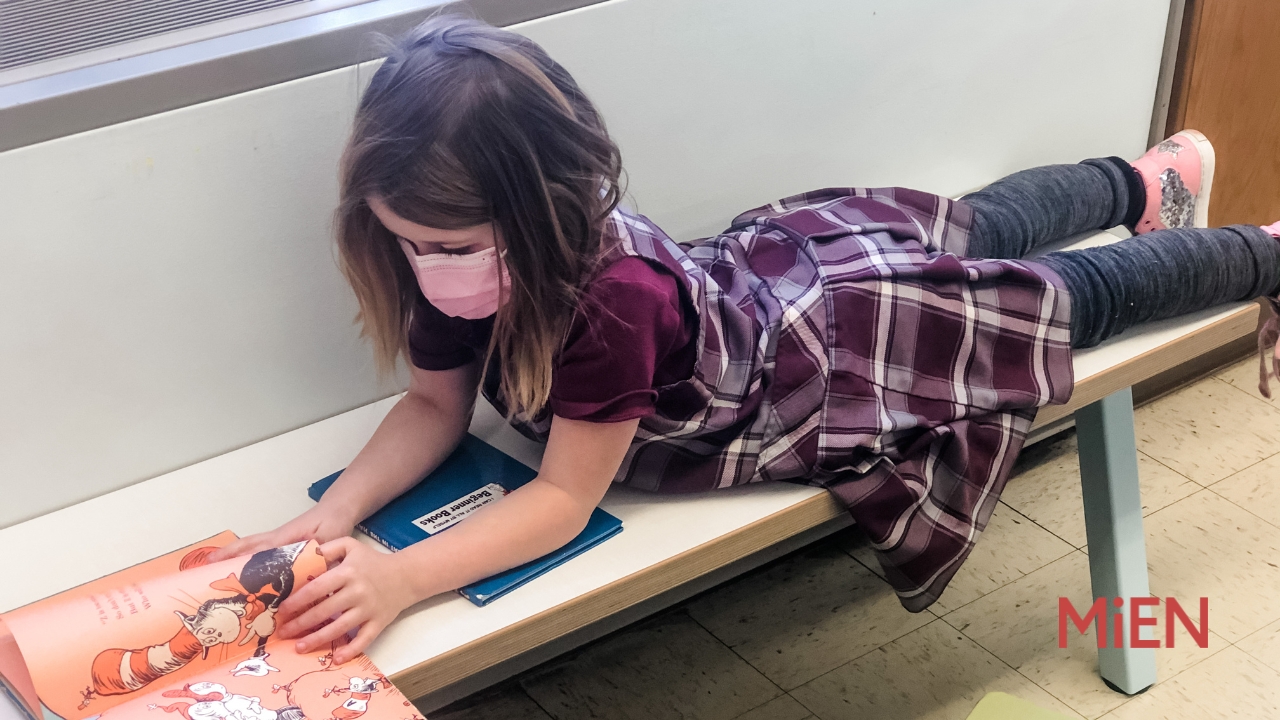
In differentiated instruction, educators adapt the content, process, and product of learning tasks to meet the needs of individual students (Wormeli, 2007). This may involve modifying the complexity, depth, or format of instructional materials, providing alternative methods of instruction, and offering diverse avenues for demonstrating understanding and mastery (Tomlinson, 2014). Another added component of the process is the environment. Offering differentiated spaces and places to learn for varied learning styles is another way to accommodate all learners.

Benefits of Differentiated Instruction
Increased Learner Engagement:
By accommodating learners’ interests, preferences, and learning styles, differentiated instruction fosters greater engagement and motivation. When learners feel that their individual needs are being addressed, they are more likely to actively participate in the learning process and take ownership of their learning (Spencer & Juliani, 2017).
Enhanced Learning Outcomes:
Differentiated instruction promotes deeper understanding and mastery of content by allowing learners to access material at their appropriate level of challenge. Differentiation is all about meeting learners where they are at in their acquisition of knowledge. By providing targeted instruction and support, educators can scaffold students’ learning experiences and facilitate greater academic growth (Larson et al., 2018).
Promotion of Equity and Inclusion:
Through differentiated instruction, educators can create inclusive learning environments where all students, regardless of their background or ability level, have the opportunity to succeed. By recognizing and valuing diversity, educators foster a culture of equity and respect within the classroom. Offer ongoing support and feedback to learners as they engage in differentiated learning activities. Monitor student progress and adjust instruction as needed to ensure that all learners are making meaningful progress (Price & Steed, 2016).
Support for Diverse Learners:
Differentiated instruction is particularly beneficial for meeting the needs of diverse learners, including those with disabilities, English language learners, gifted students, and students with varying academic readiness levels. By tailoring instruction to individual needs, educators can provide appropriate support and challenge for all learners (Cartledge, Singh, & Gibson, 2008). It is important to continuously reflect on the effectiveness of your differentiated instruction practices and make adjustments as needed. Continuously seek feedback from learners and colleagues to refine your approach and improve learning outcomes (Abou-Rjaily & Stoddard, 2017).
The Transformative Power of Differentiated Instruction
Differentiated instruction offers a powerful framework for meeting the diverse needs of learners within the classroom. By recognizing and accommodating individual differences, educators can create inclusive learning environments where all learners have the opportunity to succeed. By implementing key principles such as assessment, varied grouping, multimodal instructional strategies, and adjustment of content, process, product, and environment educators can maximize learner engagement, promote equity and inclusion, and enhance learning outcomes. As educators continue to embrace differentiated instruction, they empower learners to reach their full potential and become lifelong learners.