With an increasing use of technology, sensory stimuli bombard us from every direction. Due to all these sensory stimuli, we must continue to stress the importance of minimalistic learning environments. Minimalism offers a counterbalance to the overwhelming sensory inputs that often characterize modern learning spaces. Embracing minimalism in educational settings involves intentional design choices aimed at enhancing the learning experience, with Empowered Adaptability through decluttering. This may include strategically placing furniture to optimize flow and collaboration, using neutral color palettes to promote a sense of calm, and incorporating natural elements to connect students with the environment. By thoughtfully curating the learning environment, educators set the stage for focused attention and productive learning outcomes. Let’s explore how embracing minimalism and decluttering can enhance educator and learner success, particularly in contrast to the detrimental effects of sensory overload.
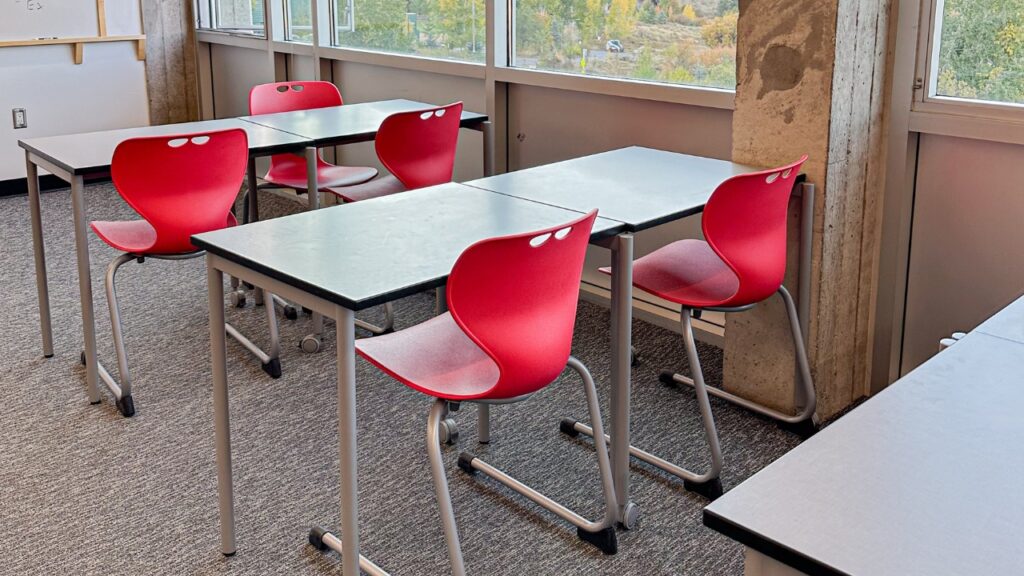
Empowered Adaptability Through Decluttering: Creating Optimal Learning Environments for Educators and Learners
In this post, we'll take a look at:
Minimalism as a Response to Sensory Overload:
Sensory overload occurs when our senses are overwhelmed by stimuli, leading to cognitive fatigue and decreased performance. In educational settings, this can manifest as noisy classrooms, cluttered visual displays, and constant digital distractions. Minimalism offers a solution by intentionally reducing unnecessary stimuli, creating a calmer and more focused learning environment.
According to a study published in the Journal of Environmental Psychology, cluttered environments can impede cognitive processes, such as attention, memory, and problem-solving (Vohs et al., 2013). This highlights the importance of decluttering learning spaces to promote cognitive clarity and enhance learning outcomes. In Empowered Adaptability, our educators work with your educators to explain the research in learning environment minimalism, and we walk through what this looks like for the educators’ learning environments. Each educator is given a “play card” and modeling exercise to start decluttering their environments to move towards sensory balanced spaces.

Decluttering for Cognitive Clarity:
Research indicates that cluttered environments can impede cognitive processes, such as attention, memory, and problem-solving. A study published in the Journal of Environmental Psychology found that participants in tidy environments demonstrated better cognitive performance compared to those in cluttered spaces (Vohs et al., 2013). By decluttering learning environments, educators facilitate cognitive clarity, allowing both themselves and their students to think more clearly and effectively. Before the in-person Empowered Adaptability professional development, educators will partake in a book study. In person, each educator is given a “play card” and modeling exercise to start decluttering their environments to move towards sensory balanced spaces.

Sensory Deprivation vs. Sensory Enrichment:
While sensory deprivation—reducing sensory inputs—may sound extreme, it can be a valuable tool for promoting focus and concentration. Minimalist learning environments, with their clean lines, neutral colors, and uncluttered spaces, offer a respite from the sensory overload prevalent in today’s society. By minimizing distractions, educators create opportunities for deep engagement and meaningful learning experiences. Educational Design International (EDI, 2024) discusses the importance of balance between being “sensory depraved” and “sensory overloaded”. Spaces can still be warm and inviting without being overstimulating. Through Empowered Adaptability, our team of educators will assist your educators in understanding this powerful difference.

Empowered Adaptability
In a world inundated with sensory stimuli, embracing minimalism and decluttering is essential for fostering educator and learner success. Through Empowered Adaptability, by intentionally reducing sensory inputs, educators create environments conducive to deep focus, cognitive clarity, and meaningful engagement. Minimalist learning spaces offer a sanctuary from sensory overload, allowing both educators and learners to thrive in an atmosphere of calmness, intentionality, and purposeful learning.