Blog
Innovative Classrooms: An Enhancement, Not a Solution for Educational Challenges

Innovative Classrooms: An Enhancement, Not a Solution for Educational Challenges

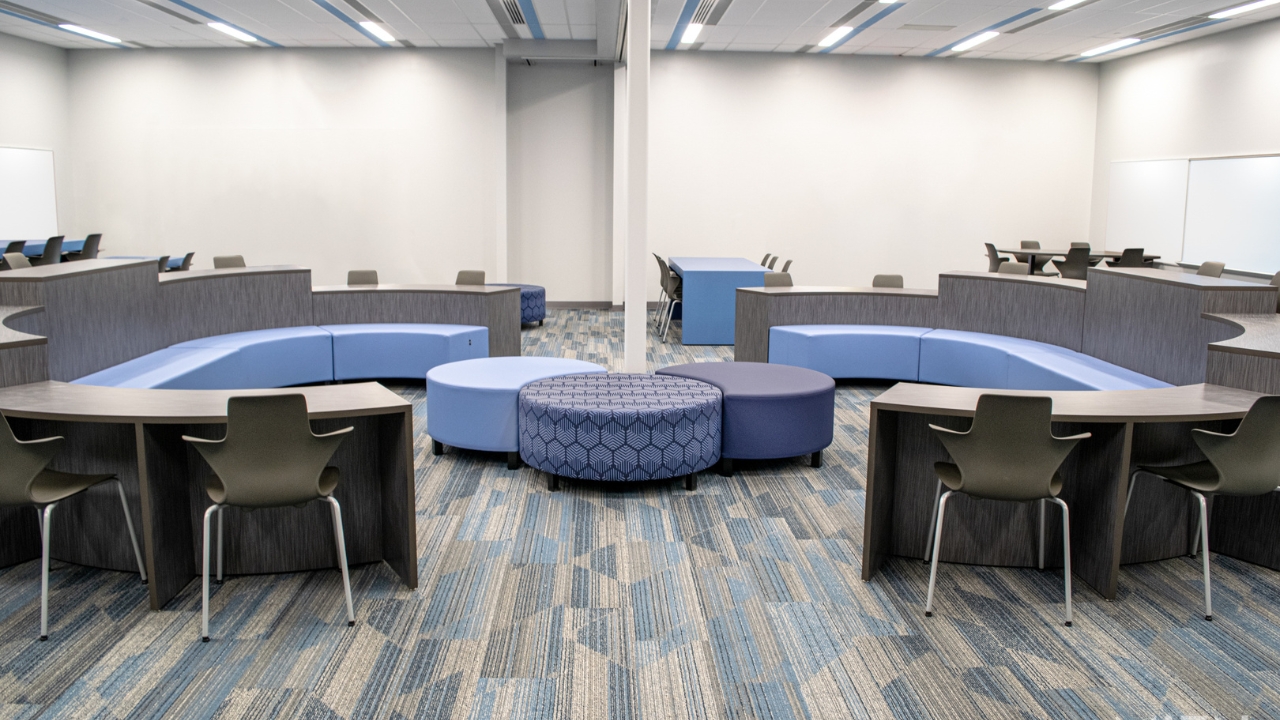
Future-ready education, especially since going back to school after the pandemic, and creating optimal learning environments, is a constant endeavor. One prominent trend gaining traction is the adoption of future-ready, innovative, and agile (flexible) classroom furniture and adaptable learning spaces. Images of learners collaborating in various configurations, working independently in cozy nooks, or engaging with technology at adjustable desks often adorn educational journals and school marketing materials. This shift, championed by proponents of active learning, personalized instruction, and 21st-century skills, presents a compelling vision. However, it is crucial for educators and administrators to approach this trend with a discerning eye: innovative, agile, and flexible classroom furniture must be understood as a powerful enhancement to pedagogical practices, rather than a standalone solution to the multifaceted challenges within education. Ultimately, while we are building 21st-century learning environments, how are we preparing learners for the 22nd-century workplace (Tenuto, 2016)?

The distinction is not merely semantic; it fundamentally shapes how resources are allocated, professional development is structured, and instructional strategies are conceived. Without this nuanced understanding, schools risk investing heavily in aesthetics and infrastructure, only to find that underlying educational hurdles persist, or even intensify, due to a misplaced focus.
Innovative Classrooms

The Allure of Agility: Why Flexible Furniture is Attractive

The appeal of flexible classroom furniture is undeniable, rooted in sound educational theories and observed benefits. Traditional rows of desks, rigidly facing a blackboard, are a relic of the industrial era of education (Little, 2013). They inherently promote passive reception of information, limit peer-to-peer interaction, and often fail to accommodate diverse learning styles or physical needs.

Modern learning environment furniture, conversely, promises:

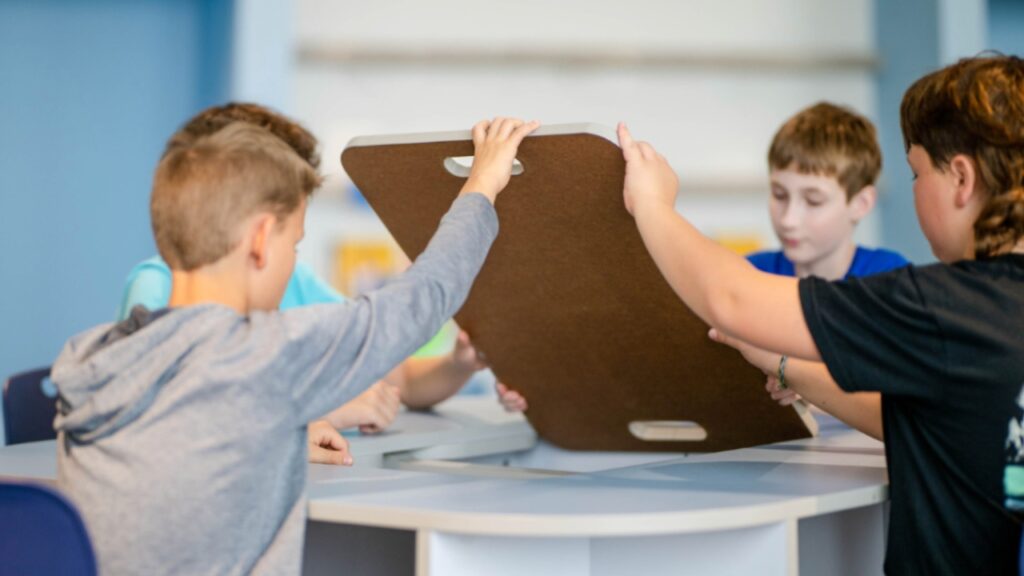
  1. Enhanced Collaboration: Movable desks, tables, and seating units allow educators to quickly reconfigure spaces for group work, discussions, and differentiated instruction strategies. This fluidity supports the development of critical collaboration skills, a cornerstone of 21st-century competencies (Darbellay et al., 2024).
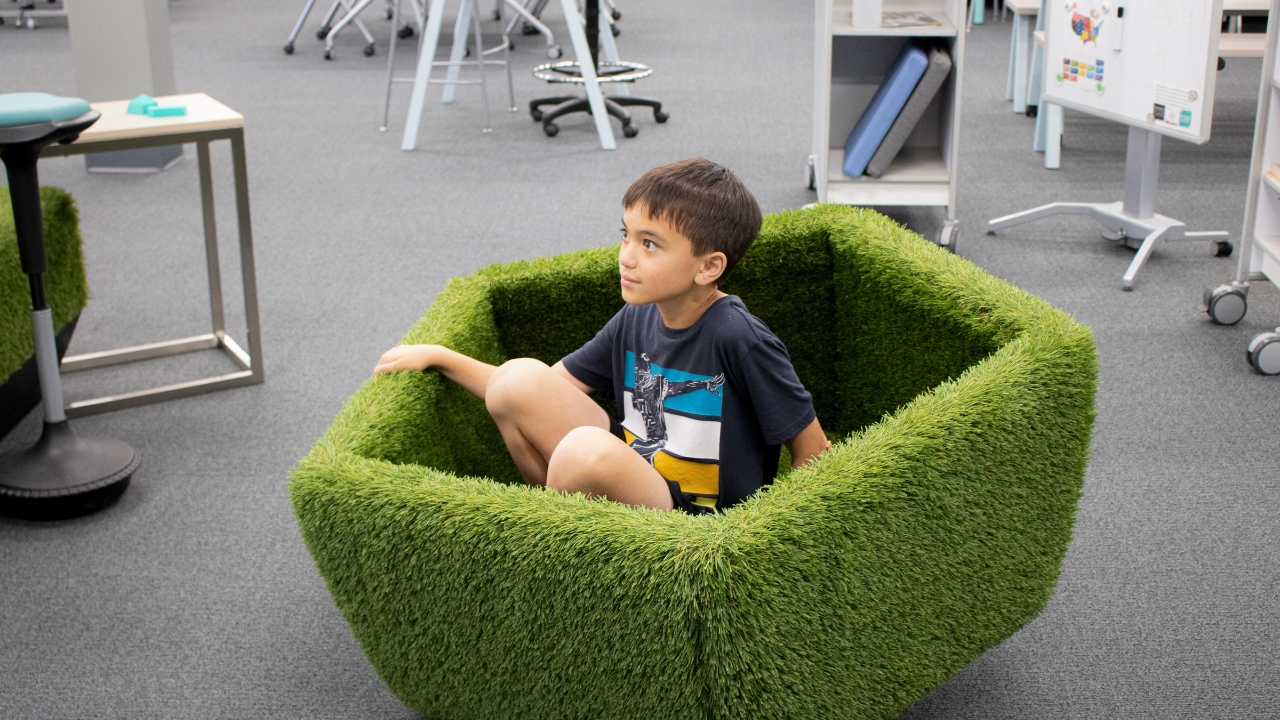
  2. Personalized Learning Environments: Learners can choose seating arrangements that best suit their learning preferences—whether a quiet corner for focused individual work, a standing desk for active engagement, or a comfortable lounge area for reading. This autonomy can increase engagement and a sense of ownership over one’s learning (Khor & K, 2024).
  3. Active Learning Promotion: The ease of movement and re-arrangement encourages educators to implement active learning strategies, moving beyond lectures to incorporate debates, simulations, problem-solving activities, and hands-on explorations (Freeman et al., 2014).
  4. Adaptability to Pedagogical Needs: A single classroom can host multiple activities simultaneously or transition quickly between them, supporting differentiated instruction and multidisciplinary approaches without physical barriers (Carey, 2023).
  5. Improved Well-being and Engagement: Varied seating options, opportunities for movement, and aesthetically pleasing environments can contribute to learner comfort, reduce fatigue, and increase overall engagement, positively impacting cognitive function and learning outcomes (Jensen, 2008).

These benefits are substantial and align with contemporary educational research advocating for learner-centered approaches. However, the crucial caveat is that furniture, by itself, does not create these benefits. It merely enables them.

Innovative Classrooms

Why Furniture is Not the Solution: The Primacy of Pedagogy

The belief that new furniture inherently transforms learning is a classic example of focusing on the symptoms rather than the systemic causes of educational challenges. A classroom filled with ergonomic chairs, mobile whiteboards, and adjustable tables remains just a collection of objects if the pedagogical philosophy and educator practices do not evolve in tandem.

  1. Educator Mindset and Professional Development: The most significant determinant of a future-ready learning environment’s success is the educator’s willingness and ability to leverage the space effectively. An educator accustomed to traditional lecture-based, “sage on stage” instruction (King, 1993), even when given a highly intuitive environment, may simply arrange the new furniture into traditional rows, negating its potential. Investing in furniture without concomitant, sustained professional development in active learning strategies, classroom management in fluid spaces, and differentiated instruction is akin to buying a Ferrari for someone who only knows how to drive in a straight line at 35 miles an hour. Educators need training on how to teach differently in these spaces, how to manage transitions, and how to facilitate learner autonomy (Sims et al., 2025).
  2. Curriculum Design and Alignment: Agile spaces thrive when the curriculum is designed to support collaborative tasks. If the curriculum remains rigid, content-heavy, and focused solely on standardized test preparation through rote memorization, even the most innovative furniture will gather dust in static configurations. The furniture must serve the curriculum’s objectives, not dictate them.
  3. Classroom Management and Learner Agency: Moving from a traditional, educator-centric classroom to a learner-centered learning environment requires a fundamental shift in classroom management. It necessitates fostering learner agency, self-regulation, and shared responsibility for the learning environment. This is a skill set that must be explicitly taught and nurtured, not simply assumed to emerge with new furniture (Marzano et al., 2003). Without it, future-ready spaces can devolve into chaotic environments that hinder, rather than enhance, learning.
  4. Equity and Access: While flexible furniture can accommodate diverse learners, it is not a panacea for underlying inequities. Access to technology, sufficient resources for all students, and support for learners with specific needs remain paramount. A school might invest in cutting-edge furniture but still fall short if students lack reliable internet access at home or if there aren’t enough qualified education professionals. Furniture alone cannot bridge the achievement gap caused by socioeconomic disparities or systemic biases.
  5. Beyond the Physical: Culture and Climate: A truly innovative learning environment is built on a foundation of trust, respect, and a shared vision for learning. Modernized furniture can contribute to a more positive physical environment, but it cannot single-handedly create a culture of inquiry, intellectual risk-taking, or psychological safety. These elements are cultivated through consistent leadership, inclusive practices, and a commitment to fostering positive relationships within the school community (Fullan, 2016).

Strategic Implementation: From Enhancement to Impact

For innovative classroom furniture to be truly impactful, it must be part of a larger, well-considered educational strategy.

  1. Start with “Why”: Before purchasing a single piece of furniture, schools must articulate the pedagogical goals they aim to achieve. Are they striving for more collaborative problem-solving? Increased student agency? Greater differentiation? The furniture choices should then be informed by these specific objectives.
  2. Invest in Professional Development (First and Foremost): Prioritize comprehensive, ongoing professional development that empowers educators to design and manage dynamic learning experiences within flexible spaces (Ehrenfeld, 2022). This includes training in:
    1. Active learning methodologies.
    2. Effective group work facilitation.
    3. Classroom management strategies for fluid environments.
    4. Leveraging technology in conjunction with flexible layouts.
    5. Understanding the psychology of space and its impact on learning.
    6. Creating climate and culture in a future-ready environment.
    7. Differentiated instructional strategies for learner success.
  3. Pilot Programs and Iterative Design: Instead of a wholesale overhaul, consider piloting flexible furniture in a few classrooms. Gather feedback from teachers and students, observe actual usage, and identify challenges and successes. It is important to pilot with a purpose to ensure the right feedback is gained. This iterative approach allows for adjustments and ensures that future investments are data-informed and effective.
  4. Engage Stakeholders: Involve educators, learners, parents, and even facilities staff in the design and implementation process. Educators, who are the primary users, offer invaluable insights into practical considerations. Learners can provide perspectives on what makes a space conducive to their learning.
  5. Measure What Matters: Beyond just admiring the new furniture, establish clear metrics to evaluate the impact of modernized spaces on learning outcomes. Are learners more engaged? Are collaboration skills improving? Are achievement gaps narrowing? Focus on data that reflects pedagogical improvement, not just aesthetic appeal.
  6. Contextualize: Recognize that the “ideal” innovative learning environment looks different for various age groups, subjects, and school cultures. What works for a high school science lab may not be appropriate for an elementary reading corner. The design should be tailored to the specific context and needs.

Innovative classroom furniture represents a significant opportunity to modernize learning environments and support learner-centered pedagogies. Its ability to enable dynamic grouping, personalized learning, and active engagement is a powerful enhancement to the educational experience (Duolienè et al., 2023). However, it is a tool, not a magic wand. Without a corresponding commitment to educator professional development, curriculum alignment, a shift in classroom management philosophies, and a clear understanding of the ‘why’ behind the investment, agile furniture risks becoming an expensive aesthetic upgrade with minimal impact on actual learning.

Administrators and educators must view modernized learning environment furniture as an invitation to transform teaching and learning, a catalyst for pedagogical innovation. When thoughtfully integrated into a holistic strategy that prioritizes educator empowerment, learner agency, and a culture of continuous improvement and engagement, these agile spaces can indeed unlock new potentials in education. But the real solution to educational challenges lies, as it always has, in the hearts, minds, and skillful practices of dedicated educators.